

The hidden psychological toll of gambling understanding its effects on mental health
The hidden psychological toll of gambling understanding its effects on mental health
The allure of gambling and its initial appeal
The initial draw of gambling lies in the thrill and excitement it provides. Many individuals are attracted to the prospect of quick financial gain, viewing gambling as a form of entertainment and an escape from daily life stresses. Interestingly, those seeking a fast payout online casino may find themselves trapped in a cycle of addictive behavior. The adrenaline rush associated with placing a bet can create a euphoric feeling that many find addictive. This allure often blinds individuals to the potential consequences, leading them to underestimate the psychological toll gambling can take on their mental health.

Moreover, the portrayal of gambling in popular culture often emphasizes the glamour and success associated with high-stakes gambling. Movies, television shows, and advertisements frequently highlight stories of individuals hitting the jackpot, further romanticizing the notion of gambling as a viable means to achieve wealth. This glamorization can foster unrealistic expectations among players, creating a dangerous disconnect from the reality of gambling’s risks and its impact on mental well-being.
As players delve deeper into the world of gambling, the initial excitement can quickly spiral into compulsive behavior. They may start to chase losses, believing that a big win is just around the corner. This pattern can lead to severe anxiety, depression, and even isolation as individuals neglect relationships and responsibilities in pursuit of that elusive win. Understanding this psychological mechanism is crucial for anyone who finds themselves drawn to gambling.
The psychological risks of gambling addiction
Gambling addiction, often labeled as a behavioral addiction, poses significant psychological risks. The compulsion to gamble can lead to chronic stress, anxiety disorders, and feelings of hopelessness. Many individuals may find themselves feeling restless or irritable when unable to gamble, a hallmark of addictive behavior that underscores its deep psychological grip. This situation can lead to a vicious cycle where individuals gamble not just for enjoyment but to cope with their emotional distress, further exacerbating their mental health issues.
Moreover, the financial repercussions of gambling addiction can compound these psychological effects. When individuals face mounting debt, they may experience a profound sense of shame and guilt, leading to social withdrawal and secrecy. The fear of judgment can cause individuals to isolate themselves, further intensifying feelings of loneliness and despair. As these mental health challenges build up, the individual becomes trapped in a cycle of gambling, borrowing, and despair.
Understanding the psychological risks associated with gambling addiction is vital for early intervention. Awareness of these mental health impacts can help individuals recognize warning signs and seek help before their situation escalates. Therapeutic measures, including counseling and support groups, can be instrumental in addressing these psychological issues and helping individuals regain control of their lives.
The impact on relationships and social life
The psychological toll of gambling extends beyond the individual to affect relationships and social dynamics. Many gambling addicts experience strained relationships with family and friends due to their behavior. Trust issues often arise when individuals lie about their gambling habits or conceal their financial struggles, leading to a breakdown in communication and emotional support. This erosion of trust can create an isolating environment where the individual feels they have no one to turn to for help.
In many cases, the repercussions are felt by loved ones who may become caretakers, often sacrificing their own well-being to support the individual grappling with addiction. This dynamic can lead to resentment and frustration, further complicating familial relationships. Parents, spouses, and friends may struggle to understand the compulsive nature of gambling, viewing it through the lens of irresponsibility rather than recognizing it as a profound psychological issue.
Ultimately, the impact of gambling on relationships can lead to a vicious cycle of conflict and emotional turmoil. As individuals retreat into the isolation that often accompanies addiction, they miss out on valuable social connections that could provide support and encouragement. Understanding this relational toll is essential in fostering empathy and motivating individuals to seek help and restore balance in their lives.
Coping mechanisms and mental health strategies
Addressing the psychological toll of gambling requires effective coping mechanisms and mental health strategies. Professionals recommend a multi-faceted approach that includes therapy, support groups, and stress management techniques. Cognitive-behavioral therapy (CBT) is particularly effective, as it helps individuals identify and change negative thought patterns related to gambling, ultimately fostering healthier coping strategies. By working with a therapist, individuals can gain insight into their behavior and begin to develop a more balanced view of risk and reward.
Support groups, such as Gamblers Anonymous, can also play a crucial role in recovery. Sharing experiences with others who understand the challenges of gambling can foster a sense of community and accountability. These groups provide a safe space for individuals to express their feelings and struggles without fear of judgment. Such interactions can be therapeutic and contribute to a greater understanding of the shared psychological toll of gambling.
Additionally, incorporating mindfulness practices and stress reduction techniques can aid individuals in managing their emotional states. Techniques such as meditation, yoga, and deep-breathing exercises can help reduce anxiety and improve overall mental health. By recognizing the psychological underpinnings of their gambling behavior, individuals can cultivate healthier habits that promote well-being and resilience.
Your guide to safer gambling practices
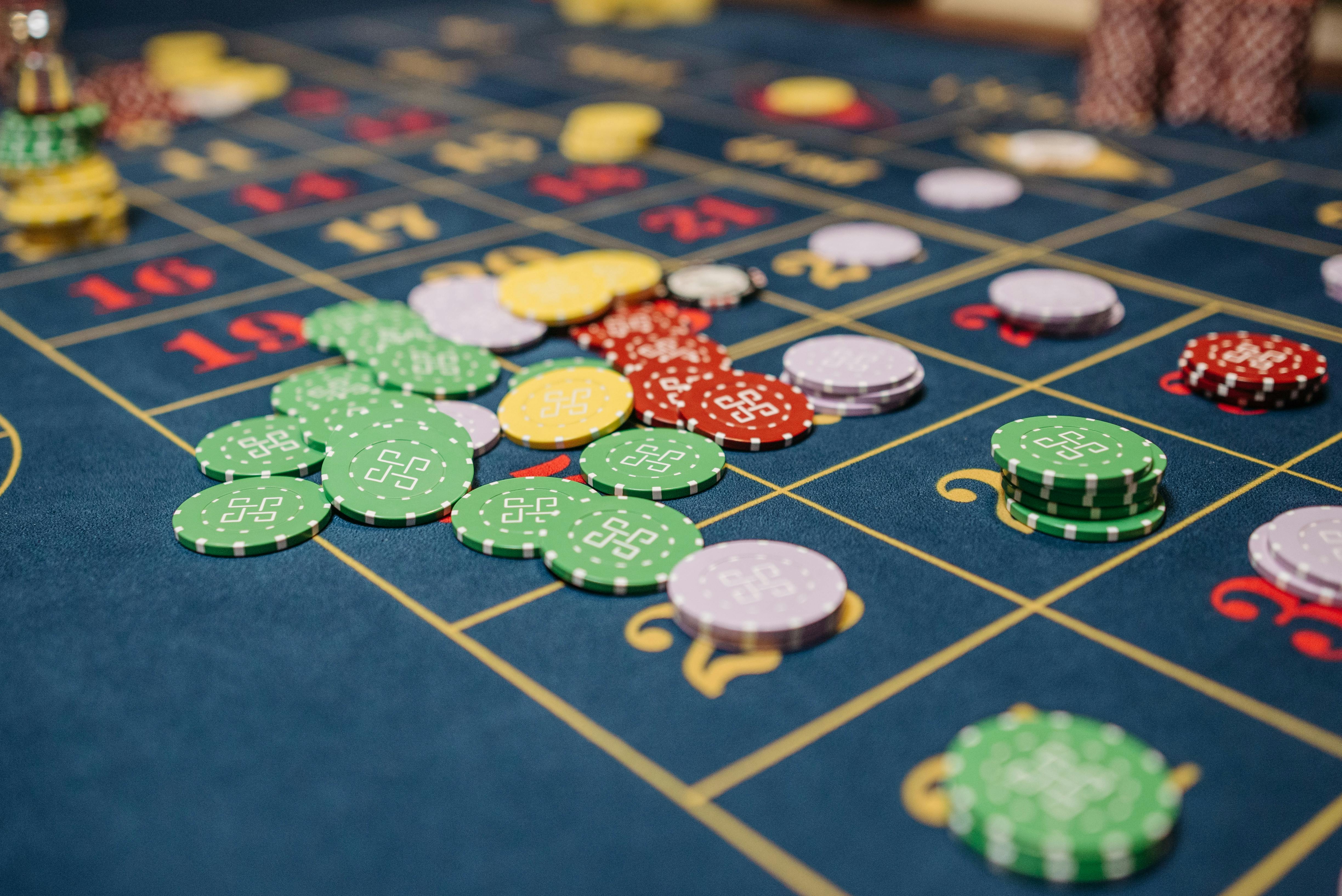
Understanding the psychological toll of gambling is paramount for anyone engaged in or considering gambling. Responsible gambling practices can mitigate some of the adverse mental health effects associated with gambling. Setting limits on time and money spent on gambling can help individuals maintain control over their behavior. Many online platforms now offer tools that allow users to set deposit limits or establish self-exclusion periods to prevent compulsive gambling.
Education about the risks and psychological impacts of gambling is vital for all players. Awareness of one’s emotional state while gambling can help individuals recognize unhealthy patterns and seek help when needed. Furthermore, creating a supportive environment among friends and family can foster open discussions about gambling habits and encourage individuals to be more accountable for their choices.
Engaging in healthier leisure activities can also serve as a powerful alternative to gambling. Exploring new hobbies, spending time with loved ones, or participating in community events can enhance mental well-being and reduce the desire to gamble. Ultimately, making informed decisions about gambling can lead to a healthier relationship with gaming and a lower psychological toll on mental health.